

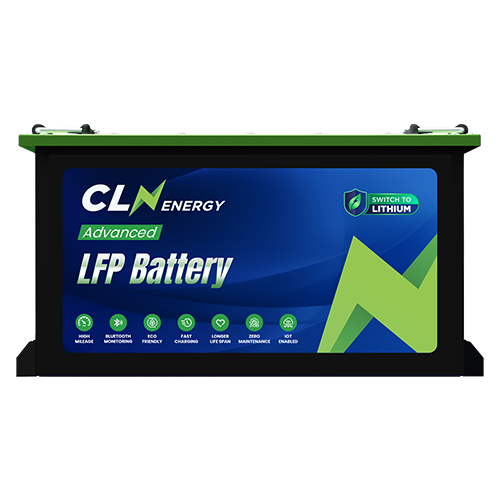
CLN-Energy L3 lithium-ion batteries are engineered to deliver superior performance for e-rickshaw applications. With higher energy density than traditional lead-acid batteries, they offer an extended driving range on a single charge, reducing downtime and maximizing run time on the road. This translates to increased efficiency, greater daily coverage, and improved profitability for fleet operators. Designed for durability and reliability, CLN-Energy L3 batteries ensure your e-rickshaws run longer, smarter, and more cost-effectively.

High Mileage

Mobile App Monitoring

Fast Charging

Long Lifespan

Zero Maintenance

IoT-Enabled (On-Demand)

Superior Durability & Safety
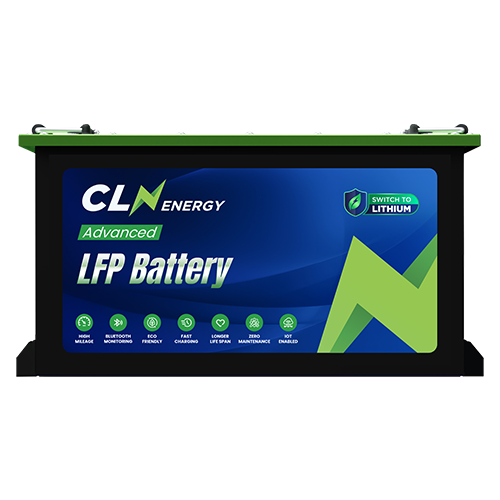
CLN-Energy L3 lithium-ion batteries are engineered to deliver superior performance for e-rickshaw applications. With higher energy density than traditional lead-acid batteries, they offer an extended driving range on a single charge, reducing downtime and maximizing run time on the road. This translates to increased efficiency, greater daily coverage, and improved profitability for fleet operators. Designed for durability and reliability, CLN-Energy L3 batteries ensure your e-rickshaws run longer, smarter, and more cost-effectively.

High Mileage

Mobile App Monitoring

Fast Charging

Long Lifespan

Zero Maintenance

IoT-Enabled (On-Demand)

Superior Durability & Safety
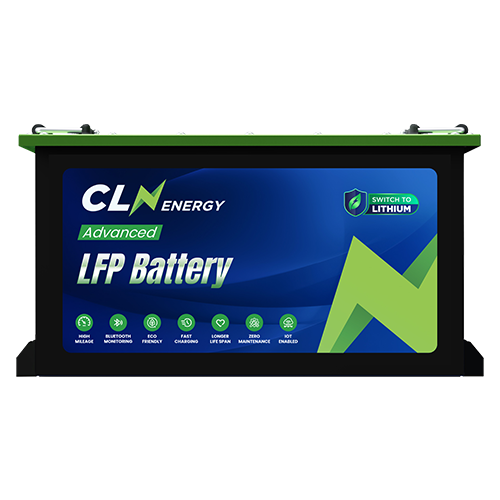
CLN-Energy L3 lithium-ion batteries are engineered to deliver superior performance for e-rickshaw applications. With higher energy density than traditional lead-acid batteries, they offer an extended driving range on a single charge, reducing downtime and maximizing run time on the road. This translates to increased efficiency, greater daily coverage, and improved profitability for fleet operators. Designed for durability and reliability, CLN-Energy L3 batteries ensure your e-rickshaws run longer, smarter, and more cost-effectively.

High Mileage

Mobile App Monitoring

Fast Charging

Long Lifespan

Zero Maintenance

IoT-Enabled (On-Demand)

Superior Durability & Safety
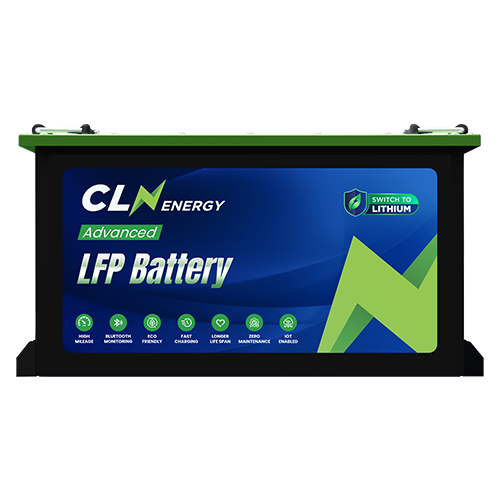
CLN-Energy L3 lithium-ion batteries are engineered to deliver superior performance for e-rickshaw applications. With higher energy density than traditional lead-acid batteries, they offer an extended driving range on a single charge, reducing downtime and maximizing run time on the road. This translates to increased efficiency, greater daily coverage, and improved profitability for fleet operators. Designed for durability and reliability, CLN-Energy L3 batteries ensure your e-rickshaws run longer, smarter, and more cost-effectively.

High Mileage

Mobile App Monitoring

Fast Charging

Long Lifespan

Zero Maintenance

IoT-Enabled (On-Demand)

Superior Durability & Safety
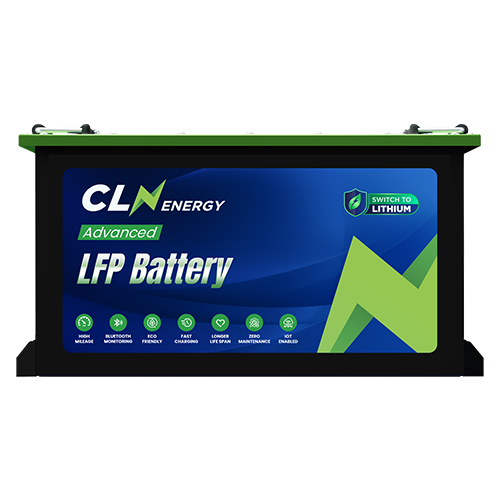
CLN-Energy L3 lithium-ion batteries are engineered to deliver superior performance for e-rickshaw applications. With higher energy density than traditional lead-acid batteries, they offer an extended driving range on a single charge, reducing downtime and maximizing run time on the road. This translates to increased efficiency, greater daily coverage, and improved profitability for fleet operators. Designed for durability and reliability, CLN-Energy L3 batteries ensure your e-rickshaws run longer, smarter, and more cost-effectively.

High Mileage

Mobile App Monitoring

Fast Charging

Long Lifespan

Zero Maintenance

IoT-Enabled (On-Demand)

Superior Durability & Safety
An e-rickshaw runs a duty cycle almost nothing else does: a deep discharge every day, recharged overnight, repeated seven days a week. That pattern is what wears out a lead-acid set, and it is the reason most operators replace batteries once or twice a year.
A lithium iron phosphate pack handles the same cycle differently. CLN L3 packs are rated to more than 3,000 full charge cycles, which is several years of daily running rather than several months, and they hold voltage through the discharge instead of slowing the vehicle as the charge drops.
Capacity decides range, and voltage must match the controller already fitted to the vehicle. The L3 range covers the configurations used across Indian e-rickshaw platforms:
If you are replacing a lead-acid set, match the voltage first and then choose capacity by the hours you need between charges. Our team can confirm the fit from your vehicle model.
A lithium pack costs more to buy than lead-acid and less to own. Lead-acid is typically replaced every twelve to eighteen months under e-rickshaw duty; a lithium pack rated to 3,000 cycles is still working after that several times over. There is no topping up with distilled water, no terminal corrosion to clean, and no capacity lost to a set sitting partly discharged overnight.
Charging is faster and can be done in the gaps in a working day rather than requiring the vehicle to stand overnight, which for a fleet is the difference between one shift and two.
Every pack uses lithium iron phosphate cells, chosen over other lithium chemistries for thermal stability, and carries a battery management system that protects against overcharge, deep discharge, short circuit and temperature excursion. Packs are built to AIS 156 where the application requires it.
These packs are manufactured at our Noida plant, not imported and rebadged. That matters when something needs replacing: service and warranty are handled by the company that built the pack, through a distributor and service network covering more than 50 cities.
L3 refers to battery packs designed specifically for the L3 category Vehicle like E-rickshaws and E-carts. Our L3 battery is compatible with a wide range of electric three-wheelers and utility vehicles.
L3 battery packs can be primarily used in electric three-wheelers, such as E-rickshaws and small electric utility vehicles.
Our L3 battery offers a cycle life of approximately 2000 cycles at 25°C with 90% Depth of Discharge (DoD).
To ensure safety and longevity, avoid overcharging, deep discharging, exposure to high temperatures, and any physical damage to the battery.
The warranty covers manufacturing defects and is valid for 3 years. It does not include damage caused by water ingress or physical impact.
Our L3 battery provides an approximate range of 90–100 km per full charge, depending on load, terrain, and driving behaviour.

 Become a
Partner
Become a
Partner