

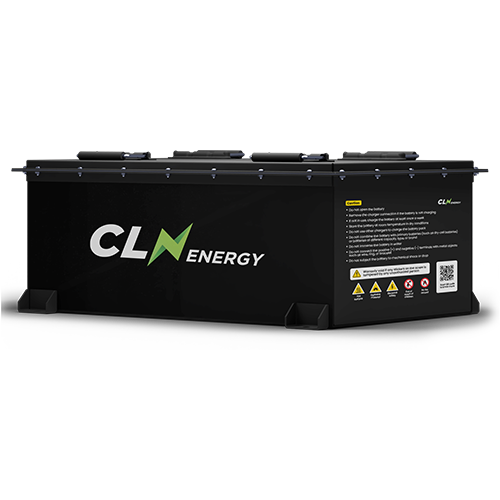
CLN-Energy L5 lithium-ion batteries are specifically designed for E-Autos, delivering reliable, high-performance power for heavy-duty urban transportation. With extended range and enhanced energy efficiency, these batteries keep electric autos running longer between charges. The L5 series supports fast charging, adheres to rigorous safety standards, and features real-time monitoring to ensure optimal fleet performance and operational peace of mind.

High Mileage

Mobile App Monitoring

Fast Charging

Long Lifespan

Zero Maintenance

IoT-Enabled (On-Demand)

Superior Durability & Safety
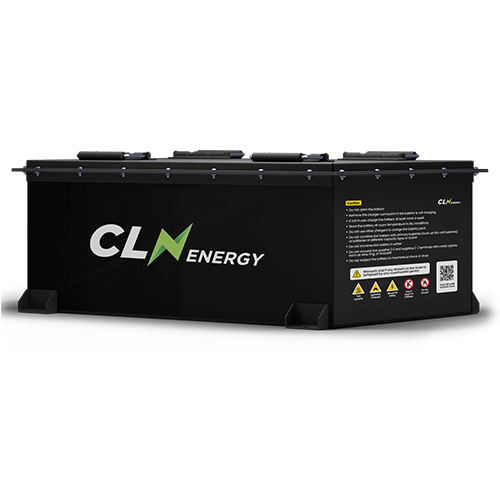
CLN-Energy L5 lithium-ion batteries are specifically designed for E-Autos, delivering reliable, high-performance power for heavy-duty urban transportation. With extended range and enhanced energy efficiency, these batteries keep electric autos running longer between charges. The L5 series supports fast charging, adheres to rigorous safety standards, and features real-time monitoring to ensure optimal fleet performance and operational peace of mind.

High Mileage

Mobile App Monitoring

Fast Charging

Long Lifespan

Zero Maintenance

IoT-Enabled (On-Demand)

Superior Durability & Safety
An L5 electric three-wheeler — a passenger or cargo auto — carries more weight over longer distances than an e-rickshaw, and the battery has to match. CLN L5 packs are built at 200Ah to give a full working day without a midday charge.
Both use lithium iron phosphate cells with an integrated battery management system. Voltage must match the vehicle's controller; capacity determines how long it runs between charges.
The 51.2V pack suits passenger autos on city routes with predictable daily distance. The 60.8V pack delivers more usable energy for cargo work, longer routes, or where the vehicle carries load for most of the shift. If you are unsure which your platform takes, the controller rating on the vehicle tells you, and our team can confirm from the model.
Commercial three-wheelers earn only while they are moving. A lithium pack holds voltage through the discharge rather than losing performance as charge drops, recharges quickly enough to top up between trips, and is rated for thousands of cycles rather than the twelve to eighteen months a lead-acid set typically survives under this duty. For an operator, that is fewer replacement days off the road.
Built at our Noida facility with service and warranty handled directly, through a distributor network across more than 50 cities.
The L5 battery pack is a higher-capacity lithium battery designed for L5 vehicle like electric auto, E-loaders, and cargo electric vehicles.
Yes, the L5 battery pack supports Bluetooth connectivity, enabling live data monitoring through a mobile application.
Yes, the L5 battery can be charged at public charging stations, provided the voltage range and connectors are compatible.
As per AIS 156 guidelines, a communication-based charger with a Constant Current–Constant Voltage (CC-CV) profile is recommended.
The battery management system (BMS) in the L5 battery supports communication via RS485, CAN, or UART protocols, depending on the configuration.

 Become a
Partner
Become a
Partner