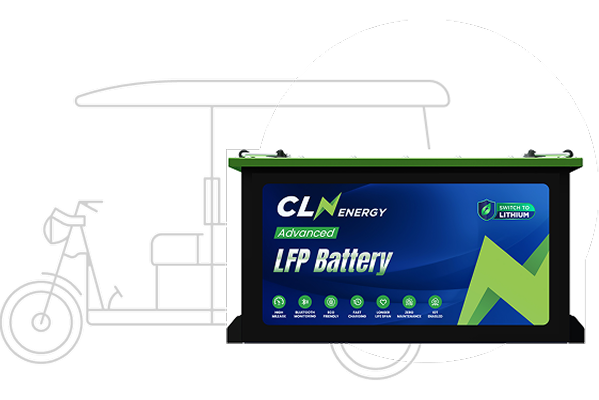
CLN Energy lithium-ion batteries for E-Rickshaw deliver exceptional performance, ensuring your vehicles run longer and more efficiently. temperature protection, and fire resistance make our lithium ion batteries the best choice for your fleet.
Explore More — E-Rickshaw (L3)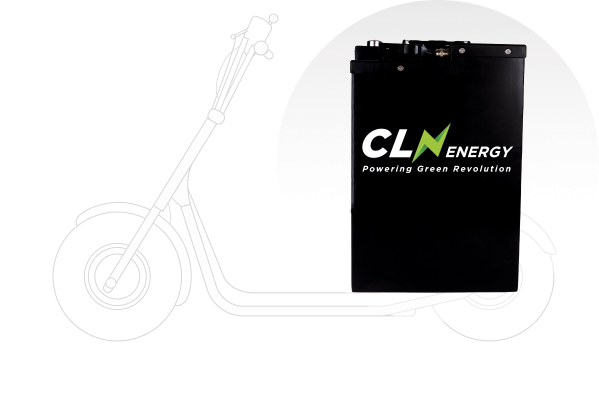
CLN Energy Two-wheeler battery packs are designed to deliver the necessary power and energy to electric scooters and motorcycles, enabling efficient and eco-friendly urban mobility.
Explore More — Two Wheeler (L2)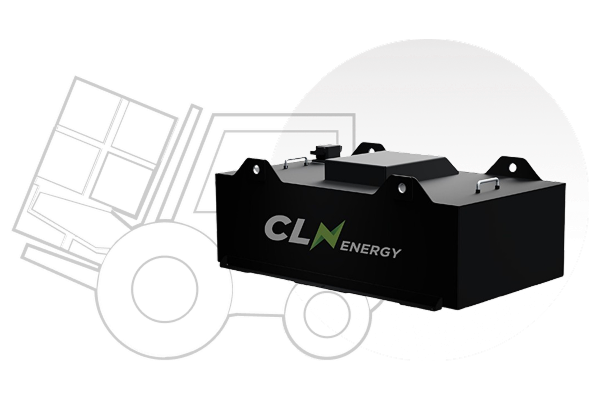
CLN Energy lithium-ion batteries deliver dependable, high-performance power for industrial and material handling equipment.
Explore More — Material Handling Equipment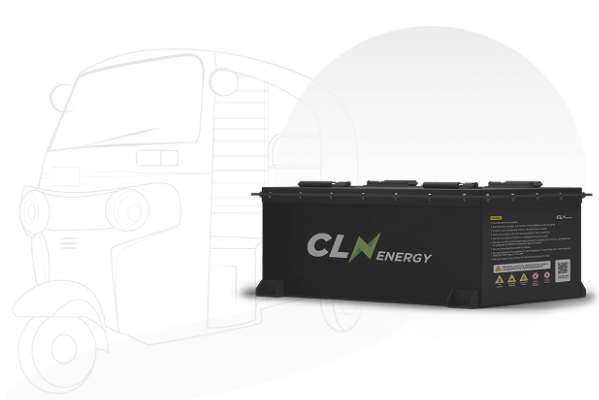
CLN Energy lithium-ion batteries for E-Autos deliver exceptional performance, enabling electric autos to run longer and more efficiently.
Explore More — E-Auto (L5)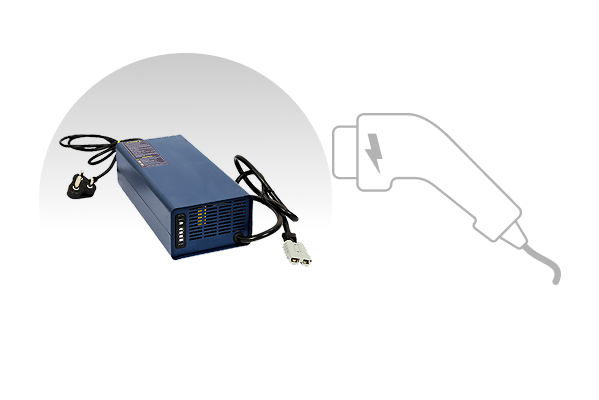
CLN Energy IP67 and IP20 chargers efficiently power lithium-ion batteries in rickshaws, autos, forklifts, golf carts, and more.
Explore More — Chargers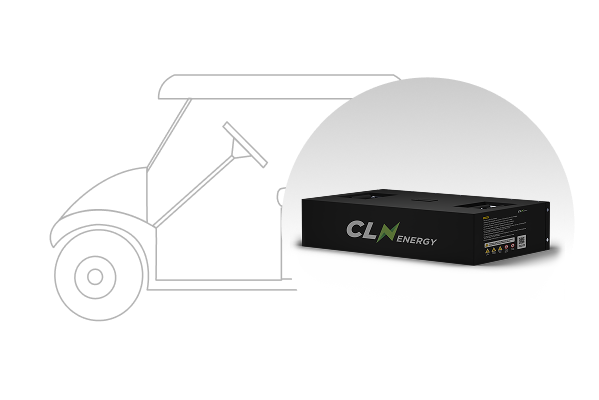
CLN Energy lithium-ion batteries for Golf Cart electric vehicles set a new benchmark in safety, durability, and convenience.
Explore More — Golf Cart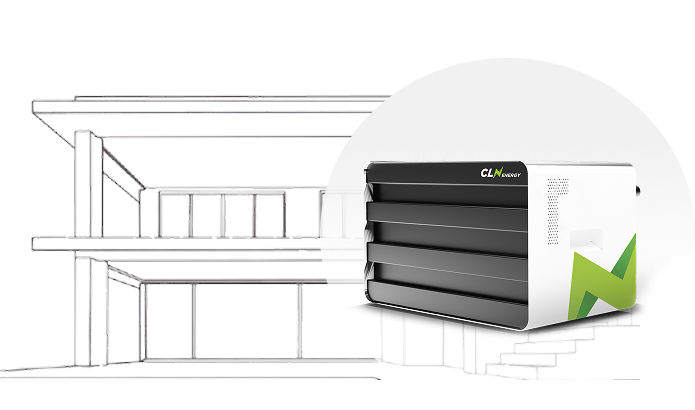
CLN Energy home inverter lithium-ion battery is an advanced energy storage solution that replaces traditional lead-acid batteries.
Explore More — Residential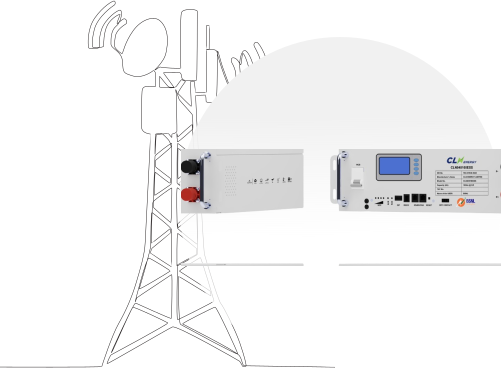
CLN Energy’s New Telecom 48 V battery pack is designed with a 100 Ah & 50Ah capacity battery cell of lithium-ion iron phosphate chemistry. It provides larger capacity in the compact size of a 19” rack- mounted 3U battery module.
Explore More — Telecom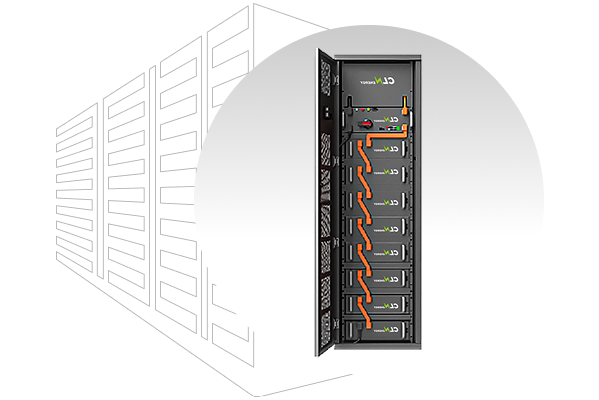
CLN Energy’s Energy Storage Systems (ESS) offer enhanced safety, greater system integration, and more efficient charge/discharge management.
Explore More — Data Center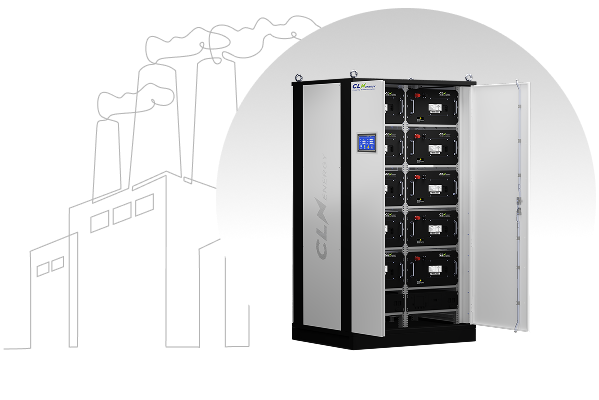
CLN Energy's Standalone Battery Energy Storage System embodies our commitment to reliable, high-performance, and sustainable energy solutions.
Explore More — Commercial & Industrial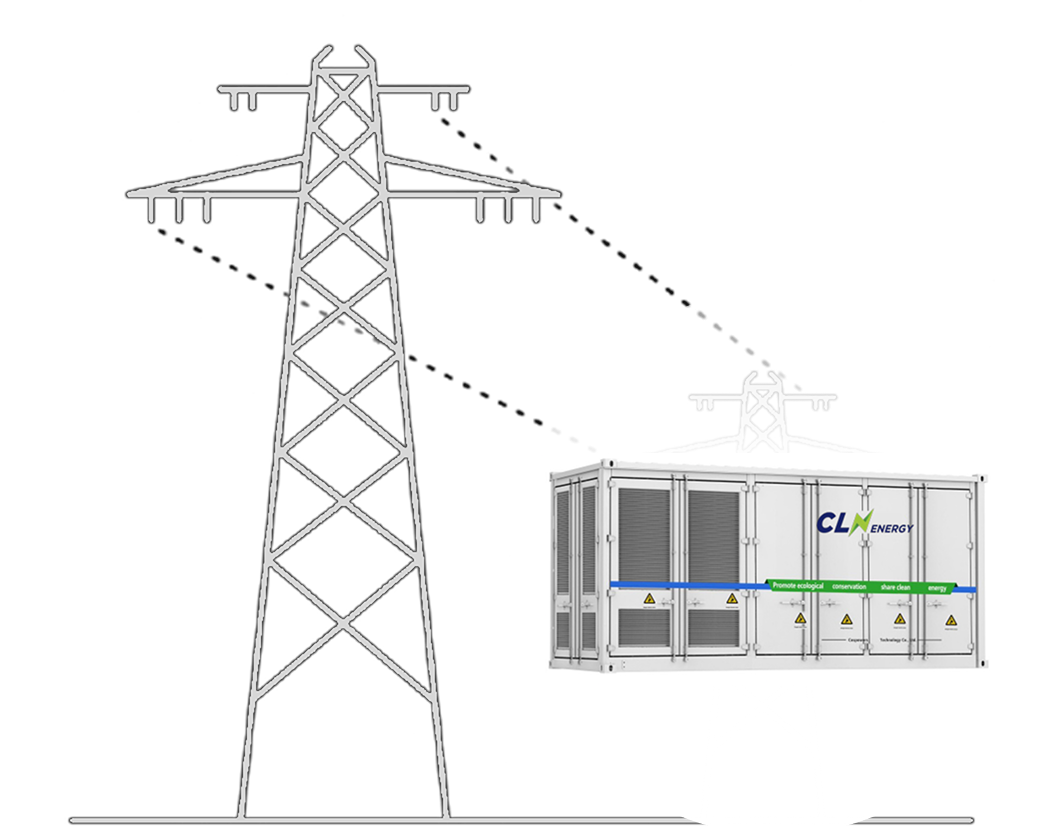
CLN Energy’s Microgrid Solution—also known as a distributed energy island system—seamlessly integrates local power generation, energy storage, photovoltaic (PV) systems, and smart load control into a unified, self-reliant power network.
Explore More — Grid & Utility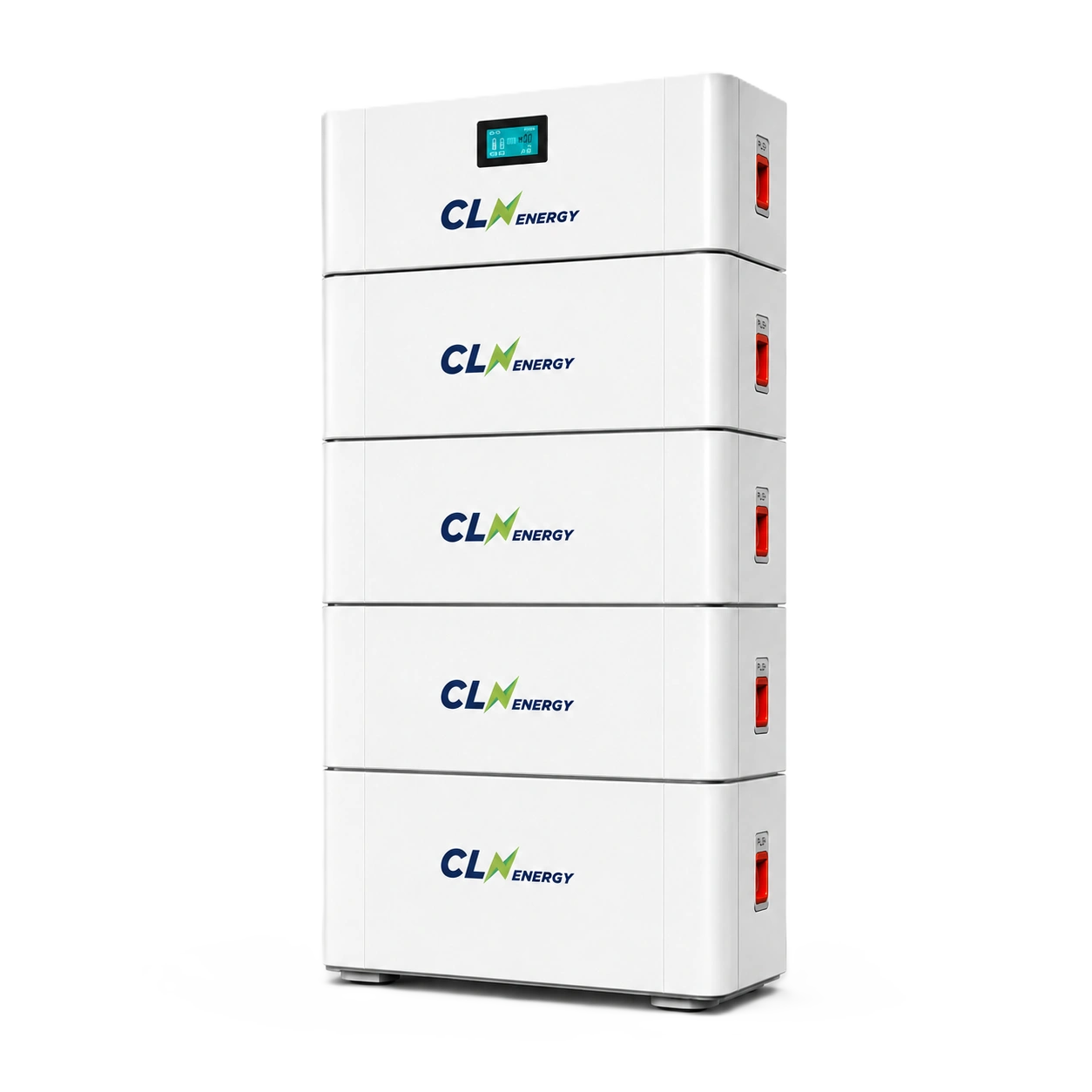
A compact, plug-and-play energy storage system with the inverter and lithium battery in one cabinet, sized for a home and ready to run without a separate installation project.
Explore More — All-in-One Home Series on our energy storage site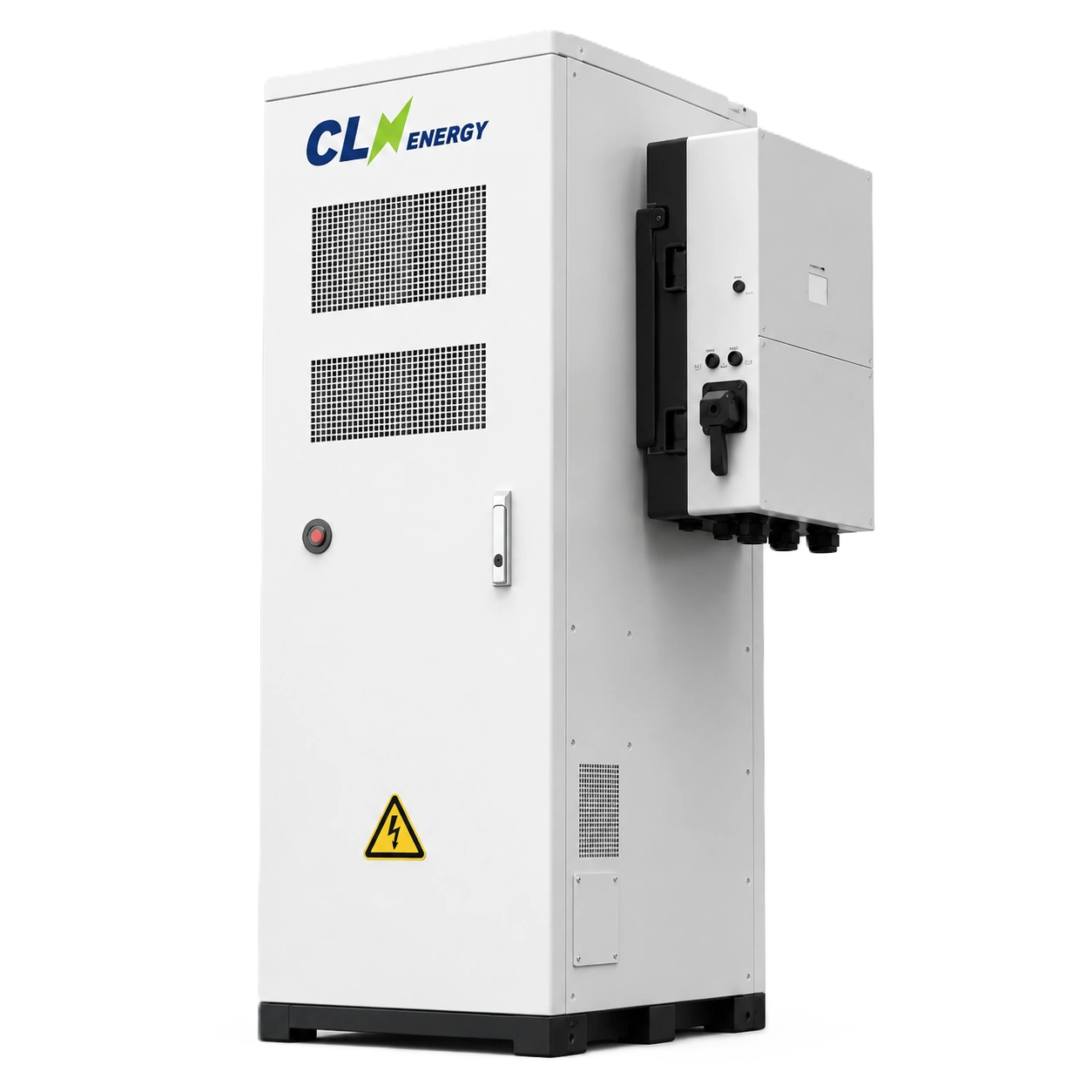
A low-voltage hybrid energy storage system for commercial buildings, designed to cut energy costs while keeping power on through an outage.
Explore More — All-in-One Prime Series on our energy storage site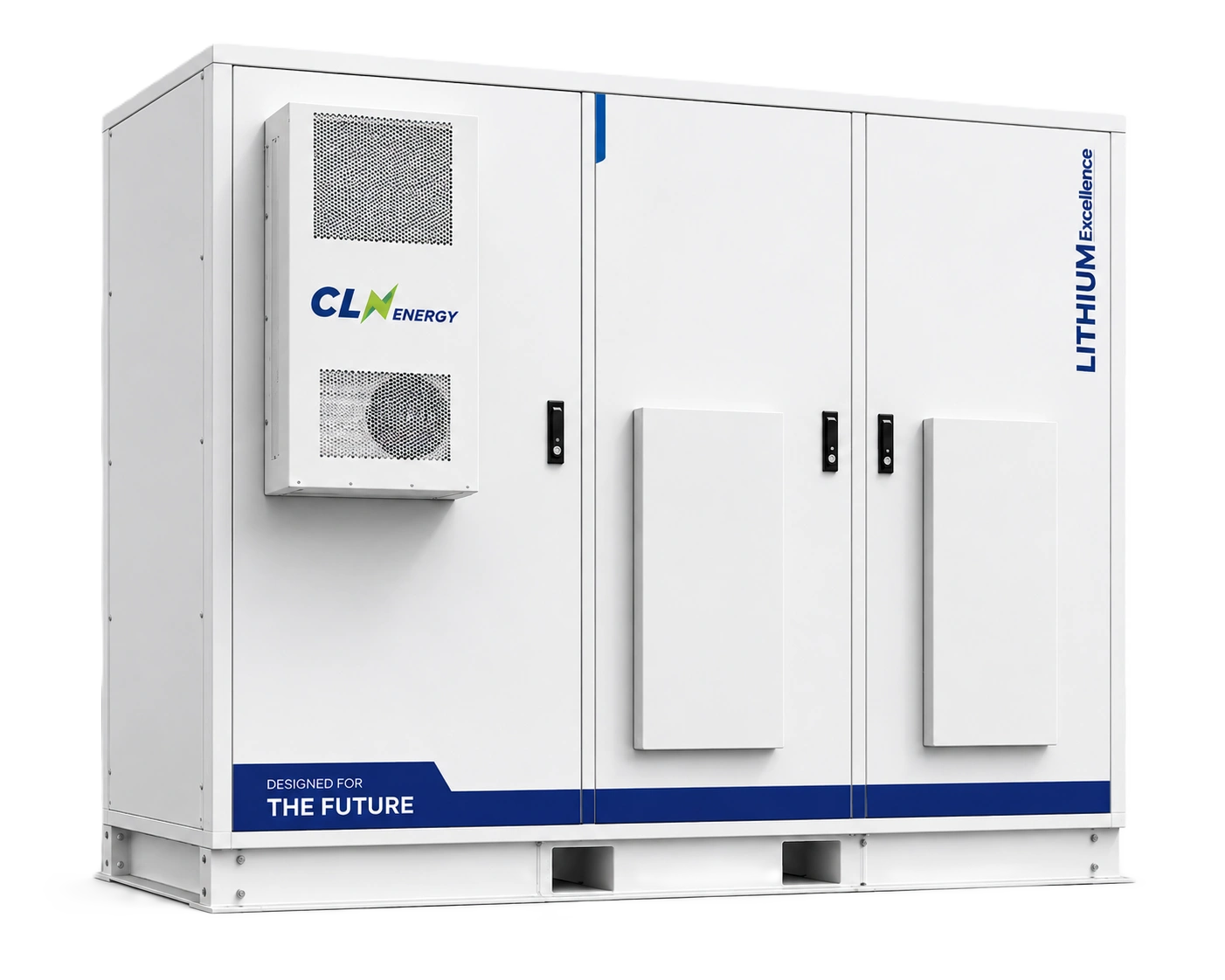
A high-voltage, scalable hybrid system engineered for mission-critical commercial and industrial sites, where the load cannot wait for a generator to reach speed.
Explore More — All-in-One Pro Series on our energy storage site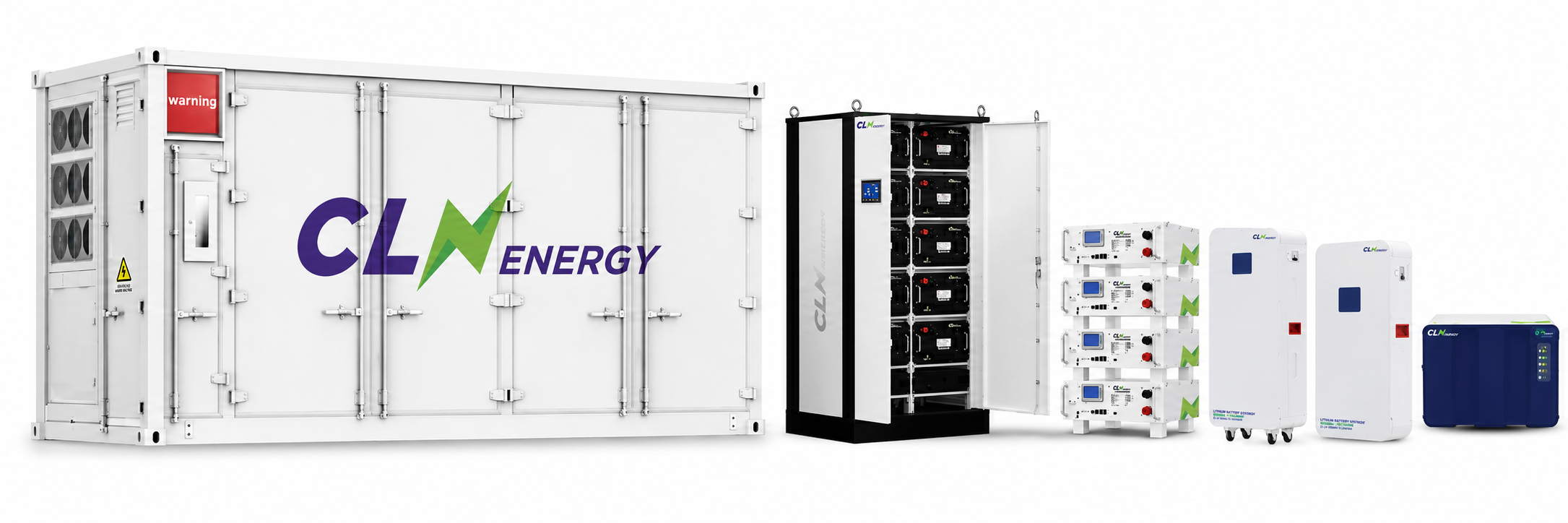
The lithium battery range behind the systems above — rack, stackable and containerised LFP, from a single cabinet to megawatt-hour scale.
Explore More — Advanced Lithium-ion Solutions on our energy storage siteSince 2019, we have been delivering innovative battery solutions that power EVs, smart grids, and more — building a low-carbon future with unmatched performance, reliability, and efficiency.
International Presence
People at CLN Energy
OEM, PSUs, etc.
Pan India
Service Network
Among the lithium-ion battery manufacturers in India, CLN Energy Limited is one that builds its own packs: lithium iron phosphate batteries and energy storage systems made at our plant in Noida, from a 1.28 kWh lead-acid replacement to a 5.015 MWh containerised system.
| Product line | What it powers | Typical sizes |
|---|---|---|
| E-rickshaw (L3) batteries | Passenger and loader e-rickshaws | 51.2V to 64V, 105Ah to 140Ah |
| E-auto (L5) batteries | L5 passenger and cargo three-wheelers | 51.2V and 60.8V, 200Ah |
| Two-wheeler (L2) batteries | Electric scooters and motorcycles | Built to the vehicle |
| MHE and forklift batteries | Forklifts and material handling equipment | 25.6V to 80V, 200Ah to 400Ah |
| Chargers | E-rickshaw, e-auto and fleet charging | IP20 and IP67, 1,200 W to 3,300 W |
| All-in-One Home Series | Homes and small shops, inverter and battery in one cabinet | From 5 kW |
| All-in-One Prime Series | Offices, small factories and commercial buildings | 15 kW to 30 kW |
| All-in-One Pro Series | Factories and larger commercial sites | 30 kW to 250 kW |
| Home and inverter batteries | Homes, shops and small offices | 12.8V to 51.2V, 1.28 kWh upwards |
| Telecom tower batteries | Towers and shelter sites | 48V, 50Ah and 100Ah |
| Data centre and UPS batteries | UPS backup in equipment rooms | Rack modules, 240V to 480V |
| Commercial and industrial storage | Factories, offices and commercial sites | Up to 250 kW / 464 kWh |
| Grid-scale BESS | Utilities, solar parks and industry | Containerised, 1 MWh to 5 MWh |
| Custom packs and systems | Vehicles, machines and sites the standard range does not cover | Built to the requirement |
These are the sizes we build most often, not a limit. Packs and systems are built to the requirement, including voltages, form factors and capacities outside this table, and CLN Group supplies beyond India through its operations in Hong Kong, Singapore and Dubai. Tell us the load, the duty and the space you have, and the engineering team will tell you what fits.
Every line above is lithium iron phosphate, built and tested at our own plant. Energy storage sizing, cost and payback material is on our dedicated website, storage.clnenergy.in, and the energy storage page introduces the range.
Manufacturing at Noida, with sales and service worldwide and a pan-India network of service centres and service engineers. Registered office and plant at Plot No. 18, Sector 140, Phase II, Noida, Uttar Pradesh 201305. More about the company · See deployed projects · What each certification covers






CLN Energy's customers include BSNL, ACE Construction, Indian Railways, Maruti Suzuki, Statcon Energiaa, UPNEDA, Vande Bharat, City Life and ITI Limited.

The questions we are asked most often, answered with the figures from our own specifications rather than round numbers.
CLN Energy Limited manufactures lithium iron phosphate (LiFePO4) battery packs at its own plant in Noida, with more than 2 GWh of annual capacity. The company is listed on the BSE SME platform under scrip code 544347. What separates a manufacturer from an importer here is whose name is on the deployments: BSNL runs 22,864 CLN packs across its telecom network, RailTel carries 180 kWh of CLN backup behind the 100 kW UPS at its Pondicherry command control centre, and Southern Railway uses CLN batteries for signalling backup at Chennai. Packs are built and tested to UN 38.3, IEC 62619, IEC 61000, UL 1973 and UL 9540A, and the plant is certified to ISO 9001:2015, ISO 14001:2015 and ISO 45001:2018. The company traded as JLNPhenix Energy before the rename.
Ask each one the same six questions, and compare the answers rather than the brochures. Who makes the pack, and is the plant theirs? What cell chemistry, and what is the cycle life at a stated depth of discharge and temperature? Which standards has the product been tested to, with reports for that product rather than a company statement? What is the warranty on the line you are buying? Where is the nearest service engineer, and how long are spares available? And which installations can you go and look at? CLN Energy answers all six on this site: the plant is our own at Noida, the chemistry is lithium iron phosphate, the standards and warranties are published by product line, and the projects pages carry the installations with their configurations.
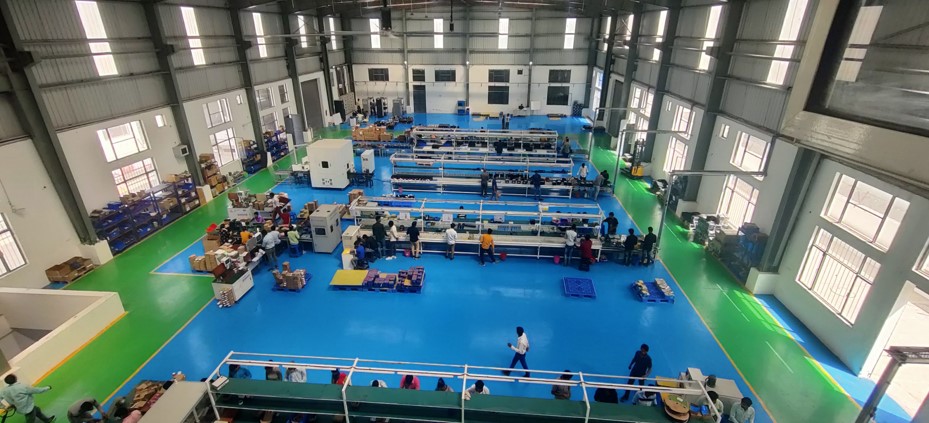
A manufacturer. Cells are assembled into packs, modules and complete systems at our own 50,000 sq ft plant in Noida, which has more than 2 GWh of annual capacity, and the battery management systems, enclosures and testing are part of that work. It matters after the sale rather than before it: when a pack needs a warranty decision, a spare or an engineering answer, it comes from the company that built it instead of from an importer waiting on a supplier abroad.
CLN Energy builds both from the same plant. The e-mobility side covers e-rickshaw (L3), e-auto (L5), two-wheeler, forklift and golf cart packs with their chargers. The stationary side covers home and inverter batteries, telecom, data centre, commercial and industrial systems, and containerised BESS up to 5 MWh. Buying both from one manufacturer means one warranty process and one service channel rather than two.
Two lines. E-mobility covers e-rickshaw (L3), e-auto (L5), two-wheelers (L2), e-loaders, golf carts, material handling equipment and chargers. Stationary covers residential - including all-in-one solar units and grid-tie solar inverters - telecom, data centre, commercial and industrial, and grid and utility. In practice that runs from a 1.28 kWh lead-acid replacement up to a 5.015 MWh containerised system. The e-mobility packs are 51.2V, 60.8V and 64V in 105Ah to 200Ah; the telecom modules are 48V in 50Ah and 100Ah, built as 19-inch 3U rack units with RS485 so a site reports its own state of charge and health. Everything is lithium iron phosphate. Warranty runs from 36 months on e-mobility to 120 months on the 1 MWh BESS, because the duty cycles are not comparable.
Usually yes, and it is the most common reason customers get in touch. One point causes most of the confusion: a LiFePO4 cell is 3.2V, so packs land on multiples of it. Sixteen cells make 51.2V, which is the lithium equivalent of a four-block 48V lead-acid set; nineteen make 60.8V and twenty make 64V. So a search for a 48V battery lands on our 51.2V range, and the numbers differ because the chemistry differs, not because the pack is a different size. On the stationary side the surrounding equipment usually stays as it is - the BSNL programme replaced 22,864 sets in the existing 19-inch cabinets, and the RailTel changeover was completed inside a two-hour window without the centre coming off supply. Send us the existing setup and we will confirm rather than assume.
Cycle life is stated per model - from 3,000 rated cycles at 80% depth of discharge on the rack and stackable ranges, up to 6,000 on the all-in-one energy storage series. Warranty runs from 36 months on e-mobility packs to 120 months on the 1 MWh BESS. Two things are worth separating. Cycle life is an engineering rating measured at a stated depth of discharge, and the depth matters as much as the number - the same pack cycled shallower lasts longer. Warranty is a commercial term and a shorter one. For anything that earns daily, cycle life is the figure that decides the economics, because it sets how many times you buy a battery over the same period rather than what one costs. Ask us for the rating on the specific pack.
Chemistry decides most of it. CLN builds on lithium iron phosphate, which has a higher thermal runaway threshold than the nickel-based lithium chemistries used where energy density matters more than margin. The trade is physical size: an LFP pack is larger for the same energy, which is a fair exchange in a 19-inch rack or under a vehicle floor and a poor one in a phone. Every pack carries a battery management system handling protection and cell balancing, so the failure mode where a set is quietly ruined by overcharging is designed out. Packs are built and tested to UN 38.3 for transport, IEC 62619 for industrial cell and battery safety, IEC 61000 for electromagnetic compatibility, and UL 1973 and UL 9540A for stationary safety and thermal runaway. That matters most at an unstaffed site, where nobody is present to notice a fault.
Noida. The plant is also the registered office, at Plot No. 18, Sector 140, Phase II, Gautam Buddha Nagar, Uttar Pradesh 201305. Annual capacity is more than 2 GWh from a 50,000 sq ft site, run by a workforce of more than 800, with service centres and service engineers across India. Sector 140 sits on the Noida-Greater Noida Expressway, which puts the plant within a routine drive of Noida, Greater Noida, Ghaziabad, Delhi, Gurugram and Faridabad. That matters at two moments, and neither is when the order is placed. The first is when something needs looking at: a pack behaving oddly in Ghaziabad is a short drive for an engineer and a shipping problem for a supplier abroad. The second is warranty, which is worth what the company honouring it is worth. Factory visits are by appointment - it is a working production line, not a showroom.
Through the partner application - give your area, your current business and the volume you expect to handle, and the team will follow up. CLN already sells through a distributor network of more than 200 and over 100 business partners. Dealers, distributors and OEM buyers all start there, though they are three different conversations. A dealer is selling the existing range into a territory. A distributor is carrying stock and serving dealers beneath them. An OEM buyer needs packs built to their own vehicle or enclosure, and that is the case where a domestic manufacturer changes what is possible: a specification change is a conversation with the people building the pack rather than a change order sent abroad and waiting on a shipping schedule. Say which of the three you are in the first message and it saves a round trip.
More detail by application: telecom tower batteries, e-rickshaw and e-auto packs, 48V and 51.2V packs, replacing lead-acid, solar batteries and inverters, batteries for a home inverter, and the Noida plant.
Asking about a lithium battery dealership — what it involves, how territories work and what decides the investment — is answered on its own page, and the partner application is where an enquiry starts.

 Become a
Partner
Become a
Partner